
Memorial Plaques and Recognition Plaques: Choosing the Right Style
11/09/2026Choosing a plaque is about more than selecting a shape and adding a name. Memorial plaques and recognition plaques are often created to mark an important person, achievement, contribution or moment, so the design needs to suit both the meaning behind the plaque and where it will be displayed.
For families, clubs, schools, businesses and community organisations, the right plaque can provide a lasting way to remember someone, commemorate an occasion or acknowledge a contribution.
The key decisions include the purpose of the plaque, where it will be displayed, the material and finish, the amount of text required, and how the engraving will look over time.
Memorial plaques and recognition plaques: what is the difference?
Although they can look similar, memorial and recognition plaques usually have different purposes.
Memorial plaques are created to remember and honour a person, group or significant event. They may be placed in gardens, community facilities, schools, churches, sporting venues or other meaningful locations.
Recognition plaques are generally used to acknowledge achievement, service, dedication or contribution. They are common in workplaces, schools, sporting clubs, community organisations and associations.
For example, a sporting club might install a plaque recognising a long-serving volunteer, while a school may create a plaque commemorating a former principal or significant school milestone.
The wording, size, material and overall design can then be chosen to reflect the occasion.
Choosing the right plaque material
The material is one of the most important decisions because it affects the appearance, engraving style and suitability for the intended location.
West Ryde Trophies & Awards offers a range of plaque and award styles, including glass plaques, acrylic awards, metal options and other award materials through its extensive catalogue.
Metal plaques
Metal can provide a traditional and formal appearance that works particularly well for commemorative and recognition applications.
Brass and stainless steel are two engraving materials worth considering where a durable, professional appearance is required. The appropriate option will depend on the design, location and desired finish.
Glass plaques
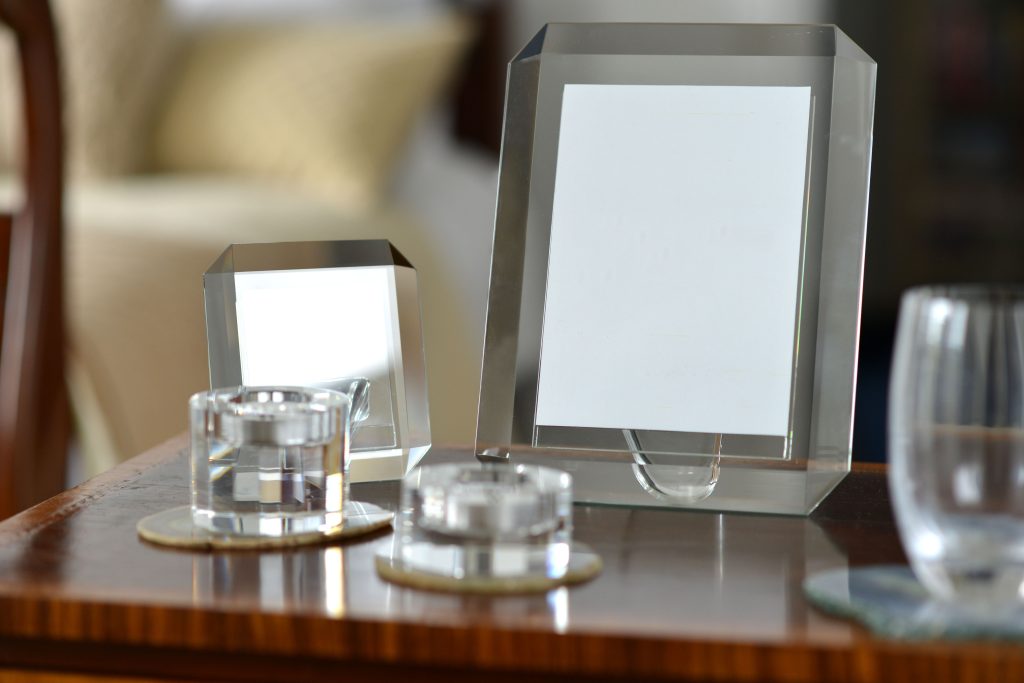
Glass plaques can create a clean, contemporary presentation. They are particularly suitable for corporate recognition, professional achievements, commemorative presentations and indoor displays.
Engraving and etching can be used to create a refined appearance without relying on a large amount of additional decoration.
Acrylic plaques
Acrylic can provide a modern alternative for recognition awards and commemorative displays. It can work particularly well where a contemporary shape or lighter visual appearance is preferred.
The important point is not to choose a material simply because it looks attractive in a catalogue. Think about where the plaque will be placed and how it should look within that environment.
You can explore the current Plaques & Shields range when comparing available styles.
Indoor or outdoor placement matters
A plaque intended for an indoor wall does not necessarily need the same considerations as one being installed outdoors.
For an indoor memorial plaque, you can place greater emphasis on appearance, typography, colour, finish and how the plaque complements the surrounding space.
For an outdoor memorial plaque, consider the exposure to weather, the location of the installation, readability from a practical viewing distance and the suitability of the selected material and finish.
Outdoor installations can also require different mounting considerations depending on whether the plaque is being attached to a wall, stonework, timber, a monument or another surface.
If you are unsure, explain the intended location when discussing the plaque with your engraver or supplier. The location is an important part of choosing an appropriate design.
How much information should go on a plaque?
One of the most common mistakes is trying to include too much information.
A plaque should be readable without requiring the viewer to work through a large block of text.
For a memorial plaque, you might include:
- The person’s full name
- Date of birth and/or date of passing
- A short commemorative message
- An important title, role or connection
- The name of the organisation or community
- Dates associated with an event or contribution
For a recognition plaque, suitable wording might include:
- Recipient’s name
- Award or recognition title
- Achievement or contribution
- Years of service
- Organisation or club name
- Presentation year
- Logo or relevant emblem
If the plaque has limited space, prioritise the information that will still be meaningful to someone viewing it years from now.
Personalised memorial plaques and recognition plaques
Personalisation is what transforms a standard plaque into something specific to the person, organisation or occasion.
Depending on the plaque and engraving method, personalisation can include names, dates, messages, logos, organisational details and other artwork.
For example, a community organisation recognising a volunteer might use:
Presented to
[Name]
In recognition of 20 years of dedicated service
[Organisation Name]
2026
A memorial plaque might instead focus on the person’s identity and the significance of their connection to the location.
The wording does not need to be complicated. In many cases, simple and sincere wording has the strongest long-term impact.
Choosing the right engraving style
Engraving needs to be considered alongside the plaque material.
West Ryde Trophies & Awards provides a range of engraving services, including laser engraving, glass and acrylic engraving, glass sand blasting, stainless steel engraving, metal etching and brass engraving. The business also offers trophy and medal restoration and polishing.
The best method depends on the material and the desired appearance.
For example, a glass plaque may benefit from an etched or engraved design, while a metal plaque may suit a different engraving technique.
When ordering a custom plaque, it is useful to provide the supplier with:
- The exact wording
- The recipient or memorial name
- Important dates
- Any logo or artwork
- The intended location
- Preferred size or general dimensions
- Whether the plaque will be displayed indoors or outdoors
Providing this information early can make the design process much easier.
Memorial plaque design ideas
There is no single correct style for a memorial plaque. The design should reflect the person or event being remembered.
Some approaches include:
Traditional and understated
A simple plaque with a clean border, formal typography and concise wording can suit churches, community spaces and established memorial locations.
Contemporary
Glass or acrylic can create a more modern appearance, particularly for corporate, educational or community environments.
Organisation-focused
For clubs and associations, including the organisation’s logo and relevant dates can help connect the memorial or recognition to its community history.
Achievement-based
Recognition plaques can focus on the specific contribution being celebrated, such as long service, leadership, coaching, volunteering or a significant achievement.
The most successful design is usually one that matches the occasion rather than simply following a trend.
Common mistakes to avoid
Choosing the material before considering the location
A plaque can look excellent in a showroom or online but may not be the most suitable choice for its eventual environment.
Using too much text
Long messages can make a plaque difficult to read. Decide what information is genuinely important before finalising the layout.
Making the lettering too small
A plaque intended to be viewed from several metres away needs different typography from a small indoor recognition plaque.
Forgetting the installation method
Consider how and where the plaque will be mounted before ordering. The surface and location can affect the practical requirements.
Leaving engraving until the last minute
Custom plaques require wording, artwork and engraving decisions. Allow enough time for the details to be checked before production.
Where can memorial plaques be used?
Memorial plaques and commemorative plaques can be appropriate in many Australian settings, including:
- Community gardens
- Sporting clubs
- Schools
- Churches
- Community halls
- Business premises
- Libraries and public facilities
- Clubhouses
- Parks and private gardens
- Memorial areas
- Workplace recognition displays
For sporting organisations, a plaque can also recognise a long-serving coach, committee member, volunteer or club contributor without requiring a traditional trophy presentation.
Recognition plaques for schools, clubs and businesses
Recognition does not always need to be presented as a trophy.
A well-designed plaque can be a better choice when the purpose is to acknowledge an ongoing contribution or create a permanent record.
Schools might use recognition plaques for major achievements, staff service or significant community contributions.
Sporting clubs can use plaques to recognise volunteers, coaches, life members or important milestones.
Businesses can use engraved plaques for long service, retirement, professional achievements or internal recognition.
The right choice depends on what you want the recipient or future visitors to remember.
How to choose the right plaque: a simple checklist
Before ordering, consider these seven questions:
1. What is the purpose?
Is it a memorial, commemoration, achievement or recognition award?
2. Where will it be displayed?
Indoor and outdoor environments may require different considerations.
3. Who will read it?
Think about viewing distance and accessibility.
4. What information is essential?
Keep the wording meaningful and concise.
5. What material suits the setting?
Consider metal, glass, acrylic or another appropriate option.
6. Do you need a logo or artwork?
Have high-quality artwork available if branding or an emblem is required.
7. How should it be engraved?
Ask which engraving or etching method is appropriate for the chosen material.
Taking a little time to answer these questions can prevent many common design problems.
Why choose West Ryde Trophies & Awards?
West Ryde Trophies & Awards has been established since 1976 and supplies trophies, plaques, medals and awards for sporting, corporate, academic and community occasions. Its catalogue includes thousands of products, while its Sydney showroom gives local customers the opportunity to discuss their requirements in person.
The business also provides specialist engraving services across materials including glass, acrylic, brass and stainless steel, along with restoration and polishing services.
For customers arranging a memorial or recognition plaque, that combination of product selection and engraving capability can make it easier to consider the plaque and personalisation together.
Final thoughts
The best memorial plaques and recognition plaques are not necessarily the largest or most elaborate. They are the ones that communicate the significance of the person, achievement or occasion clearly and appropriately.
Think carefully about the purpose, location, material, wording, readability and engraving before making your selection. A well-planned plaque can become a meaningful part of a school, sporting club, business or community for many years.
If you are looking for custom plaques in Australia, explore the Plaques & Shields collection or learn more about professional engraving services. For a custom requirement, you can also contact West Ryde Trophies & Awards to discuss the type of plaque, engraving and personalisation you need.
Frequently Asked Questions
What is the difference between a memorial plaque and a recognition plaque?
A memorial plaque is generally created to remember and honour a person, group or significant event. A recognition plaque is typically used to acknowledge an achievement, contribution, service or milestone.
What material is best for an outdoor memorial plaque?
There is no single material that is best for every outdoor installation. The location, exposure, mounting surface, desired appearance and engraving requirements should all be considered before choosing the plaque.
What should I include on a memorial plaque?
Common information includes the person’s name, relevant dates and a short commemorative message. Depending on the purpose, you may also include an organisation name, title, role or other meaningful details.
Can recognition plaques include a logo?
Yes, where the selected plaque and engraving method support it, a logo or organisational artwork can be incorporated into the design. It is best to provide suitable artwork when discussing a custom plaque.
Can an existing trophy or plaque be restored?
West Ryde Trophies & Awards provides trophy and medal restoration and polishing services. If you have an older award that needs attention, it is worth discussing the item’s material and condition with the engraving team before proceeding.